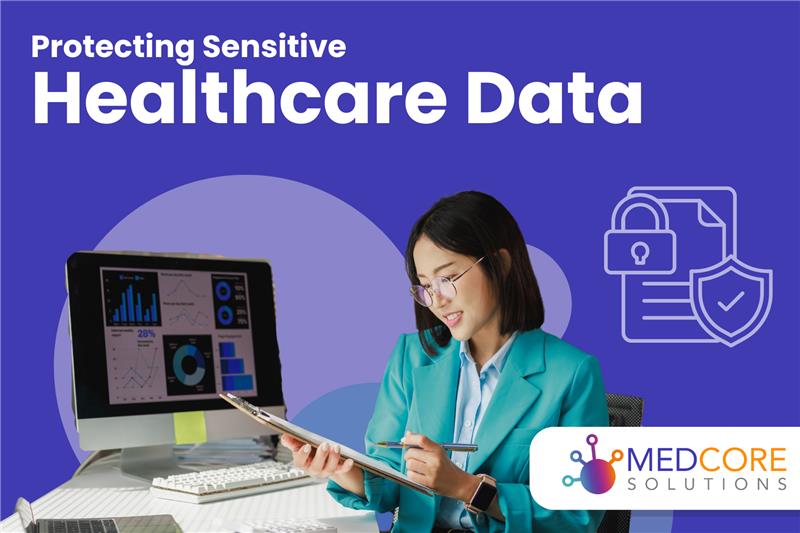
Healthcare providers today are facing a new kind of pressure. It is no longer just about delivering quality patient care or improving financial performance. Protecting sensitive information has become just as important. At the center of this challenge is healthcare data, which powers every stage of the revenue cycle from patient records to billing. As technology evolves, so do the risks that come with it.
According to the Netwrix 2025 Cybersecurity Trends Report, 51% of organizations experienced a security incident in the past 12 months that required direct intervention from security teams. This shows how frequent and complex today’s threats have become.
In 2026, healthcare leaders must take a more proactive approach to data security. The question is no longer if your systems will be targeted, but when.
The Rising Need for Stronger Data Security

The healthcare industry has become one of the top targets for cyberattacks. This is largely because healthcare data is highly valuable. It contains personal, financial, and medical information that can be exploited in many ways.
When this data is compromised, the consequences go beyond financial loss. Patients lose trust. Operations slow down. Regulatory penalties can follow. For many organizations, recovery can take months or even years.
Revenue cycle operations are especially vulnerable. From patient registration to claims processing and collections, multiple touchpoints handle sensitive data every day. A single weak link can expose the entire system.
The Expanding Risk in Revenue Cycle Operations
As more healthcare providers adopt digital tools, the revenue cycle becomes more efficient but also more complex. Cloud platforms, remote teams, and third-party vendors are now part of daily operations. While these changes improve productivity, they also increase exposure. Every new system or partner introduces another entry point for potential threats.
For example, third-party billing teams and remote coders often access healthcare data from different locations. Without proper safeguards, this can create gaps in security. Leaders need to understand that security is not just an IT responsibility. It is a shared responsibility across the entire organization.
Common Threats You Should Be Aware Of
In 2026, cyber threats are becoming more advanced and harder to detect. Some of the most common risks include:
- Phishing attacks that trick employees into revealing login credentials
- Ransomware that locks systems until a payment is made
- Unauthorized access due to weak passwords or lack of monitoring
- Data leaks from unsecured devices or networks
These threats often target everyday workflows. A simple email or login attempt can be enough to compromise healthcare data if proper controls are not in place.
Building a Strong Security Foundation
To protect your organization, you need more than just basic security tools. A strong foundation starts with clear policies and consistent practices.
First, limit access to sensitive information. Not every employee needs full visibility of healthcare data. Role-based access ensures that people only see what they need to perform their jobs. Second, invest in employee training. Many security incidents happen because of human error. Regular training helps staff recognize threats and respond appropriately. Third, keep systems updated. Outdated software can have vulnerabilities that hackers exploit. Regular updates and patches are essential. Finally, monitor activity across your systems. Early detection can prevent small issues from becoming major incidents.
The Role of Technology in Data Protection
Technology plays a critical role in securing revenue cycle operations. Tools such as encryption, multi-factor authentication, and secure cloud platforms can significantly reduce risk.
Encryption ensures that healthcare data remains unreadable even if it is intercepted. Multi-factor authentication adds an extra layer of protection by requiring additional verification beyond a password.
Secure cloud platforms also offer advanced monitoring and backup capabilities. This helps organizations recover quickly in case of an incident.
However, technology alone is not enough. It must be paired with strong processes and accountability.
Managing Third-Party Risks
Many healthcare providers rely on external partners for billing, coding, and administrative support. While this helps improve efficiency, it also introduces additional risks. Third-party vendors often handle large volumes of healthcare data. If their security measures are not aligned with yours, your organization could be exposed.
Leaders should carefully evaluate vendors before working with them. This includes reviewing their security policies, compliance standards, and track record. Regular audits and clear agreements can help ensure that your partners maintain high standards of data protection.
Creating a Culture of Accountability
One of the most effective ways to improve security is to build a culture of accountability. Everyone in the organization should understand their role in protecting healthcare data. This starts with leadership. When leaders prioritize data security, it sets the tone for the entire team.
Encourage open communication about risks and incidents. Employees should feel comfortable reporting suspicious activity without fear of blame. Make security part of everyday conversations, not just an annual training topic. The more aware your team is, the stronger your defense will be.
What Leaders Should Focus on in 2026
As we move further into 2026, healthcare leaders need to stay proactive. Waiting for an incident to happen is no longer an option. Focus on strengthening your internal processes. Review your current systems and identify any gaps. Invest in both technology and training.
Stay informed about emerging threats and industry best practices. The landscape is constantly changing, and your strategy should evolve with it. Most importantly, remember that protecting healthcare data is not just about compliance. It is about protecting your patients, your reputation, and your future.
Final Thoughts

Healthcare data security is now a critical part of revenue cycle operations. It affects every stage of the patient journey and every aspect of your organization. By taking a proactive approach, healthcare leaders can reduce risk, improve trust, and ensure long-term success.
In a world where data drives decisions, protecting that data is one of the most important responsibilities you have.
That is where MedCore Solutions comes in. We provide highly trained healthcare and revenue cycle professionals who understand the importance of accuracy, compliance, and data protection at every step.
If you are looking to strengthen your operations while keeping your healthcare data secure, partner with MedCore Solutions and build a team you can trust.
Connect with us today to learn how we can support your growth. Contact us here.